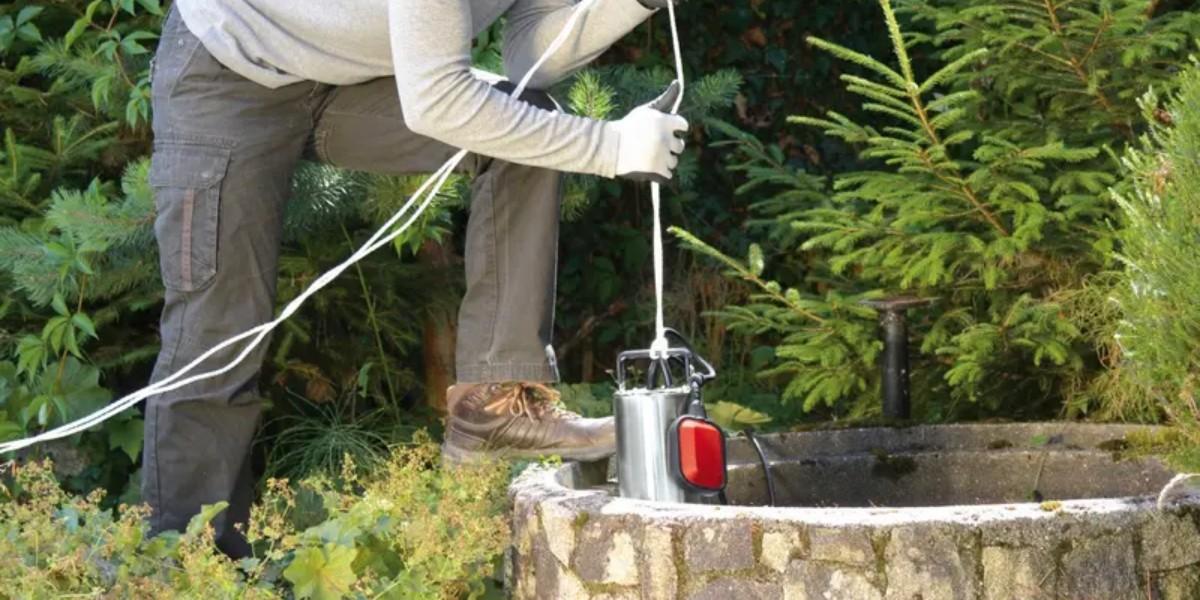
The installation of a water pump is an essential procedure that ensures the efficient supply of water in various applications, from irrigation systems to water supply in large facilities or for domestic use.
In this article, we will detail the crucial steps on how to install a surface water pump.
Join us in this practical guide and ensure a successful installation with our tips and recommendations!
Preparation before installation
Selection of water pump
Before starting the installation, it is essential to select the appropriate type of water pump for the specific needs of the project. There are various types, such as surface water pumps, submersible pumps, centrifugal pumps, positive displacement pumps, etc.
The selection should be based on the necessary flow rate, the height of water elevation, and the specific application.
👉 You are interested!: How to choose the best pump to increase water pressure at home
Materials and tools needed
Water pump
Connection pipes
Check valve
Electrical cable (if necessary)
Connectors and pipe fittings
Drills with the appropriate bits
Pipe cutting saws
Gloves and safety glasses
Screwdrivers, pliers, and measuring tape
How to install a water pump step by step
Step 1: Planning the installation
Before proceeding with the physical installation, it is crucial to plan the location of the pump. Make sure it is close to the water source and to a power supply point (if applicable). Also consider the length of the pipes and the most efficient route for them.
Step 2: Installation of the check valve
The check valve is essential to prevent water from flowing back and emptying the source once the pump is turned off. Install the check valve at the end of the suction pipe, making sure it is in the correct direction towards the pump.
Step 3: Connecting the suction pipe
Connect the suction pipe to the pump using the appropriate fittings. It is important to ensure a tight connection to prevent air from entering, which could reduce the pump's efficiency.
Step 4: Electrical connection
If the pump requires an electrical connection, follow the manufacturer's instructions for a safe installation. Make sure to use the appropriate wiring and protect all connections against moisture and water.
Step 5: Functionality test
Before completing the installation, perform a functionality test to ensure that the pump is operating correctly. Check for leaks in the connections and adjust if necessary. Observe the water flow and pressure to ensure they meet the system requirements.
Maintenance and final tips
Finally, it is important to establish a periodic maintenance plan to ensure the longevity and efficiency of the pump. This includes cleaning filters, checking seals and bearings, and monitoring the pump's performance.
Perform regular maintenance on the pump according to the manufacturer's recommendations and make sure to bleed the pump of air before its first use to avoid dry running.
In cold climates, protect the pump and the pipes to prevent damage from freezing.
With these steps, we hope to have clarified how to install a surface water pump, making this process easier. The correct installation and maintenance of a water pump not only ensures its optimal operation but also prolongs its lifespan, guaranteeing an efficient water supply for various applications.
FAQS
Why is it important to install a water pump?
The installation of a water pump is essential to ensure an efficient and constant distribution of water in various applications, both residential and industrial. It allows overcoming the limitations of pressure and flow inherent to municipal supply or natural sources, ensuring that water reaches all necessary consumption points with the appropriate pressure.
In addition, it significantly contributes to the autonomy and security of water supply systems, allowing for better management in emergency situations or in areas with limited access to water.
Where is the water pressure pump installed?
The location of the water pressure pump depends on several factors, including the type of pump and the specific characteristics of the water supply system. The submersible pumps, for example, are installed inside the well or water source, while the surface pumps are placed in an area close to the water source or at the point of entry of the supply system.
It is crucial to select a location that allows easy access for maintenance, protected from the elements, and, in the case of surface pumps, in an area where noise is not an issue.
How long does it take to install a water pump?
The time required to install a water pump varies significantly depending on the complexity of the system, the type of pump, and the installation conditions. A basic installation under optimal conditions can be completed in a few hours.
However, more complex projects or installations that require significant modifications to the existing plumbing, additional electrical work, or the construction of bases or support structures may take several days.
It is essential to plan adequately, allowing extra time for checking and adjusting the system after the initial installation.
What type of water pump do I need?
The type of pump required depends on several factors, including the volume of water to be moved, the lift height, and whether the application is for clean or dirty water. Submersible pumps are ideal for wells or underwater applications, while surface pumps are suitable for moving water from surface sources.
Is it necessary to install a check valve?
Yes, installing a check valve is crucial to prevent water backflow, maintaining the water column in the suction pipe and facilitating the pump's startup. This valve also prevents potential damage to the pump caused by water hammer.
How can I ensure that the pump is properly primed?
To prime correctly, fill the pump and the suction pipe with water before its first startup. This prevents dry running, which can cause overheating and damage to the pump. Some pumps include a self-priming feature, making this process easier.
What to do if the water pump does not reach the desired pressure?
If the pump does not reach the desired pressure, check for leaks in the system, ensure that the suction pipe and the pump are properly primed, and that there are no obstructions in the pipes. It is also important to verify that the size and type of the pump are suitable for the application. In some cases, it may be necessary to adjust the pump settings or install a pressure regulator.