Parts of a faucet. What are they?
3 minutes of reading
By GroupSumi
July 18, 2023
A faucet is a device used to regulate and control the flow of water in a supply system. It is an essential part of any plumbing system and is found in bathrooms, kitchens, and other areas where water is needed. Modern faucets not only serve a practical function but can also be aesthetic elements that complement the design of a space.
A faucet is a device used to regulate and control the flow of water in a supply system. It is an essential part of any plumbing system and is found in bathrooms, kitchens, and other areas where water is needed. Modern faucets not only serve a practical function but can also be aesthetic elements that complement the design of a space.
What are the Parts of a Faucet?
Body of the faucet
The body of the faucet is the main structure that connects the faucet to the piping system. It is usually made of durable metal, such as chrome-plated brass, to ensure durability and resistance to corrosion. The water inlet and outlet connections are located on the body of the faucet.
Pipe
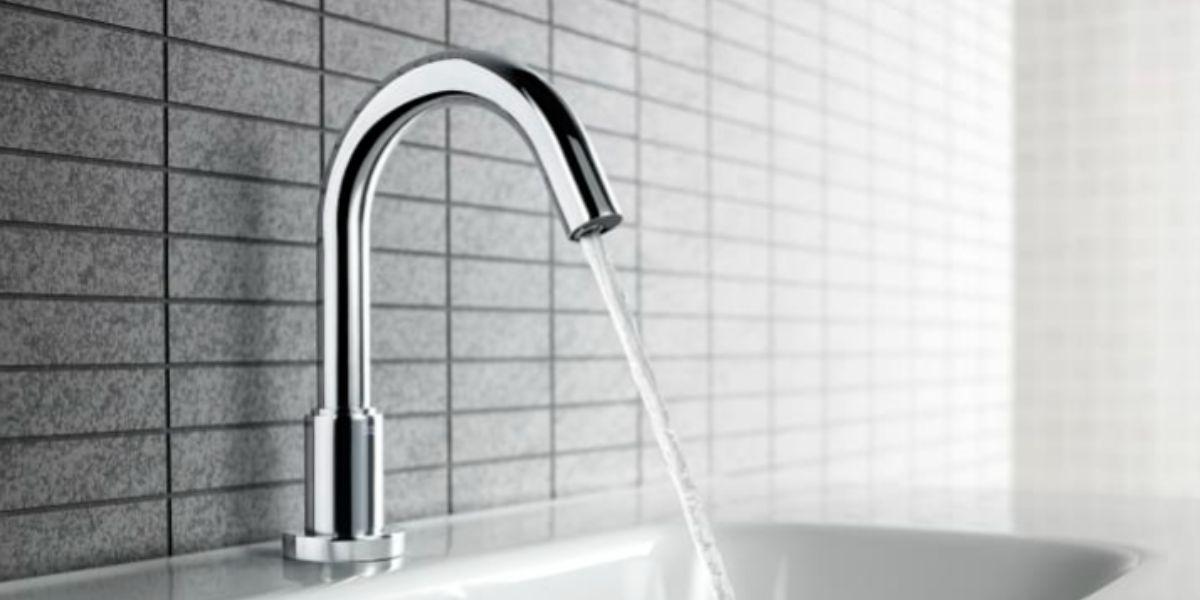
The spout is the part of the faucet through which water flows to the sink or basin. It can have different shapes and lengths, depending on the design of the faucet. Some spouts are fixed, while others are swivel or pull-out for added convenience. Spouts can also include an aerator at their tip to mix air with the water and reduce consumption.
Handle or lever
The handle or lever are the parts of the faucet that allow you to control the flow and temperature of the water. In traditional faucets, two separate handles are used, one for hot water and another for cold water. However, single-handle faucets are becoming increasingly popular, as they allow you to adjust the temperature and flow with a single lever.
Aerator
The aerator is a small piece located at the end of the faucet spout. Its main function is to mix air with the water that comes out of the faucet, which helps reduce water consumption without compromising pressure. Additionally, the aerator also helps prevent splashes and provides a smooth, splash-free water flow.
Additional parts depending on the type of faucet
Depending on the type of faucet, there may be additional parts that add specific functionalities. Some examples include:
- Single-lever faucets: In addition to the basic parts mentioned above, these faucets usually have a ceramic cartridge inside the handle that allows for precise regulation of the hot and cold water mix.
- Thermostatic faucets: These faucets incorporate a thermostatic valve that maintains a constant water temperature, preventing sudden changes in heat. They may also have a temperature limiter to prevent burns.
- Faucets with integrated shower: These faucets include an additional water outlet to connect a shower. In addition to the basic parts, they have a lever or selector that allows switching between the spout and the shower.
Materials used in the manufacture of faucets
Faucets can be made from different materials, and each has its own characteristics and advantages:
- Stainless steel: It is durable, resistant to corrosion, and easy to clean. Additionally, it has a modern look and fits well with different design styles.
- Chrome-plated brass: Brass is a solid and sturdy material, while chrome plating gives it a shiny finish and protection against corrosion.
- Bronze: Bronze is a classic and elegant material. In addition to being durable, it can also have aged finishes that add a vintage touch.
Returns within 30 days
Shop with peace of mind. If something goes wrong, we'll take care of it.
After-sales service
Any questions? Our support team will be happy to help you.
Pay how and when you want
Card, bank transfer, PayPal... Installment? We have them all.
GroupSumi is your online distributor for construction, electrical material and climate control.





All rights reserved © 2026 GroupSumi