Water Softener: Everything You Need to Know
7 minutes of reading
By GroupSumi
March 3, 2023
In this article, we will thoroughly explore how a water softener works, an effective solution to improve the quality of water in your home.
In this article, we will thoroughly explore the operation of a water softener, an effective solution to improve the quality of water in your home.
We will discover how these devices work to remove minerals and limescale from water, and how they can have a positive impact on your health and well-being, as well as on the lifespan of your appliances.
Additionally, we will provide you with essential tips for choosing the right water softener for your needs. Keep reading and discover the benefits of having a water softener in your home!
Buy all types of water softeners at GroupSumi
What is a Water Softener?
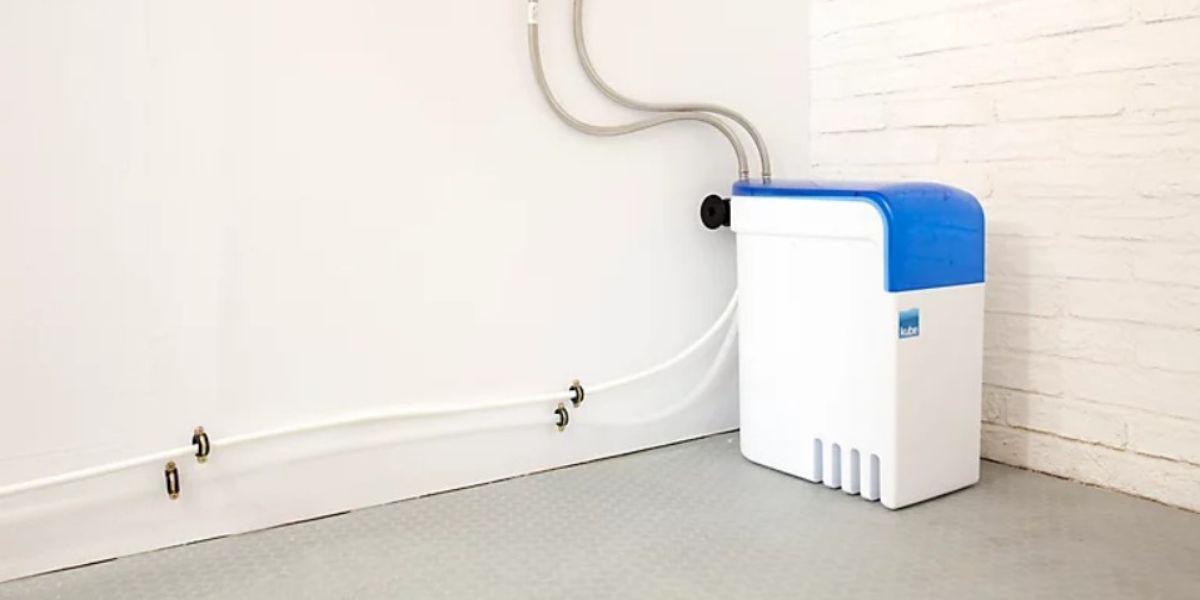
A water softener is a device designed to combat the problem of water hardness. Water hardness refers to the presence of minerals such as calcium and magnesium, which can cause scaling in pipes, appliances, and surfaces, reducing their efficiency and shortening their lifespan. A water softener uses a process called ion exchange to remove these unwanted minerals and reduce water hardness.
It consists of a tank that contains ion exchange resin, which is made up of small electrically charged spheres. As hard water flows through the tank, minerals like calcium and magnesium adhere to the resin spheres, while sodium ions are released into the water. Over time, the resin becomes saturated with minerals and needs to be regenerated.
A water softener actively works to reduce water hardness and improve its quality.
By using a water softener, you achieve softer water that is free from the problems associated with hardness, such as scaling and limescale deposits. This not only protects and extends the lifespan of appliances and plumbing systems but also improves energy efficiency and water quality for consumption and other household uses.
How a water softener works
The water softener works through a process called ion exchange. These devices contain electrically charged resins that attract the dissolved minerals in the water. When water flows through the softener, the minerals adhere to the resins and are exchanged for sodium or potassium ions.
In this way, the water is freed from hard minerals, providing softer water that is free of limescale.
How is the demineralization process?
In the demineralization process, different elements come into play, so we can think of it as a circuit. In which water enters through the main pipe, is introduced into the water softener through sodium-loaded resins, ion exchange is carried out to eliminate calcium and magnesium, and then the water exits the water softener to enter the home and be consumed in any of its multiple forms of use.
We illustrate the demineralization process below:
How is the regeneration process?
The regeneration process of the water softener, while not directly affecting the water that is filtered for consumption in the home, is of great importance. This is because, in this process, we will regenerate the resins of the water softener, prolonging its operation for a long time and capturing the maximum amount of calcium and magnesium possible to ensure high-quality soft water.
In this way, the brine water regenerates the sodium in the resins, and therefore it will have more ion exchange capacity.
Benefits of using a water softener
- Extension of the lifespan of appliances: By removing limescale from water, water softeners protect your appliances, such as washing machines, dishwashers, and water heaters, from limescale buildup. This can help prevent breakdowns and increase their efficiency and durability.
- Improvement of health and well-being: Softened water is gentle and more friendly to the skin and hair. By reducing water hardness, issues such as dry skin, irritation, and dull hair are minimized. Additionally, softened water can enhance the effectiveness of the personal care products you use.
- Energy and money savings: With more efficient appliances thanks to the use of softened water, energy consumption is reduced. Limescale buildup in appliances can affect their performance, leading to higher electricity or gas consumption. By preventing limescale deposits, water softeners help optimize energy use, which can result in significant savings on your bills in the long run.
- Environmental protection: Using a water softener not only benefits your home but also the environment. By extending the lifespan of appliances, the need to replace them frequently is reduced, which decreases the amount of electronic waste. Furthermore, by reducing energy consumption, it contributes to the conservation of natural resources and lowers the carbon footprint.
Advantages and disadvantages of the Water Softener
If after understanding how the water softener works you have doubts about whether it is a device that could be useful in the home, we provide you with a series of advantages and disadvantages of the water softener so you can decide for yourself whether it is worth making the investment.
Advantages
- Prevents the accumulation of limescale and elements that can corrode household pipes.
- Removes soap particles that can clog the pipes.
- Produces water that tastes better for cooking our dishes and will make your hair healthier and shinier.
- Extends the life of household appliances.
- Prevents roughness of the skin and hair, as well as greater durability of shower faucets.
Disadvantages
- It can be a high expense, although the condition of the pipes will compensate for it in the future
- In some cases, the salt from the softener itself can be corrosive.
- Associated costs of salt consumption, resins, brine regeneration, as well as annual inspections.
- Other associated expenses that the equipment itself may entail.
How to choose a suitable water softener for the home?
- Consider the size of your home and the number of people living in it. This will help you determine the required treatment capacity of the water softener.
- Analyze the hardness level of the water in your area. You can obtain this information through local water quality reports or specific tests. Make sure that the water softener you choose can handle the hardness of the water in your area.
- Evaluate additional features that may be important to you, such as self-cleaning systems, salt monitors, or water-saving features.
- Research and compare different brands and models. Read user reviews and seek reliable recommendations before making a decision.
Once you have completed this series of tasks, we recommend checking the following water softeners, which will likely be useful in your home. 👇
Robosoft 120E Water Softener
The first option we propose is the Robosoft 120E Domestic Water Softener from the brand ATH, which is a best-seller and will be more than capable of managing the water softening for an average household with 4 inhabitants.
With a salt tank of 90 kg, 20 liters of resin, and high energy efficiency, it is ideal for any home.
Buy the Robosoft 120E Water Softener on Sale!
Cillit Parat ECO 78 Water Softener
If you are considering a more powerful option, although with a lower salt capacity, the Cillit Parat ECO 78 water softener is also a great choice to install in the home.
With a multitude of capabilities and electronic programs, it features an automatic disinfection process for the resins during each brine regeneration that is carried out. Additionally, the manufacturer offers free startup.
The Cillit Parat ECO 78 water softener with home delivery at GroupSumi
Frequently Asked Questions about Water Softener
How long does a water softener last?
A water softener can have a lifespan of 10 to 20 years, as long as regular inspections and maintenance are carried out to ensure its proper functioning. It is important to perform these routines to extend its lifespan and guarantee its effectiveness.
What is better, a salt-based water softener or a salt-free one?
It is better to use a salt-based water softener if you prefer to efficiently remove minerals from the water. However, if you want to enjoy water without a salty taste, it is advisable to choose a salt-free water softener. Both options have their advantages, but it depends on your personal preferences.
How long does a bag of salt for a water softener last?
The duration of a salt bag for a water softener can vary depending on the size of the bag and the capacity of the softener. In general, a bag of salt commonly used in household water softeners weighs 25 kilograms and can last approximately 1 to 3 months, depending on the hardness level of the water and the frequency of the softener's regeneration.
It is important to follow the manufacturer's recommendations to determine the amount of salt needed and the frequency of recharge for the water softener. Additionally, some more modern water softeners use more efficient salt systems that can extend the lifespan of a bag of salt.
Consulting the instructions and specifications provided by the manufacturer is essential to obtain a more accurate estimate of the duration of the salt bag in your specific water softener.
What should you know before buying a water softener?
Before buying a water softener, consider the available space, the number of people who will use the water, and the hardness of the water. These three elements will help you choose the right water softener for your needs. Make sure it fits the space, can handle the water demand, and effectively addresses the hardness of the water.
Returns within 30 days
Shop with peace of mind. If something goes wrong, we'll take care of it.
After-sales service
Any questions? Our support team will be happy to help you.
Pay how and when you want
Card, bank transfer, PayPal... Installment? We have them all.
GroupSumi is your online distributor for construction, electrical material and climate control.





All rights reserved © 2026 GroupSumi